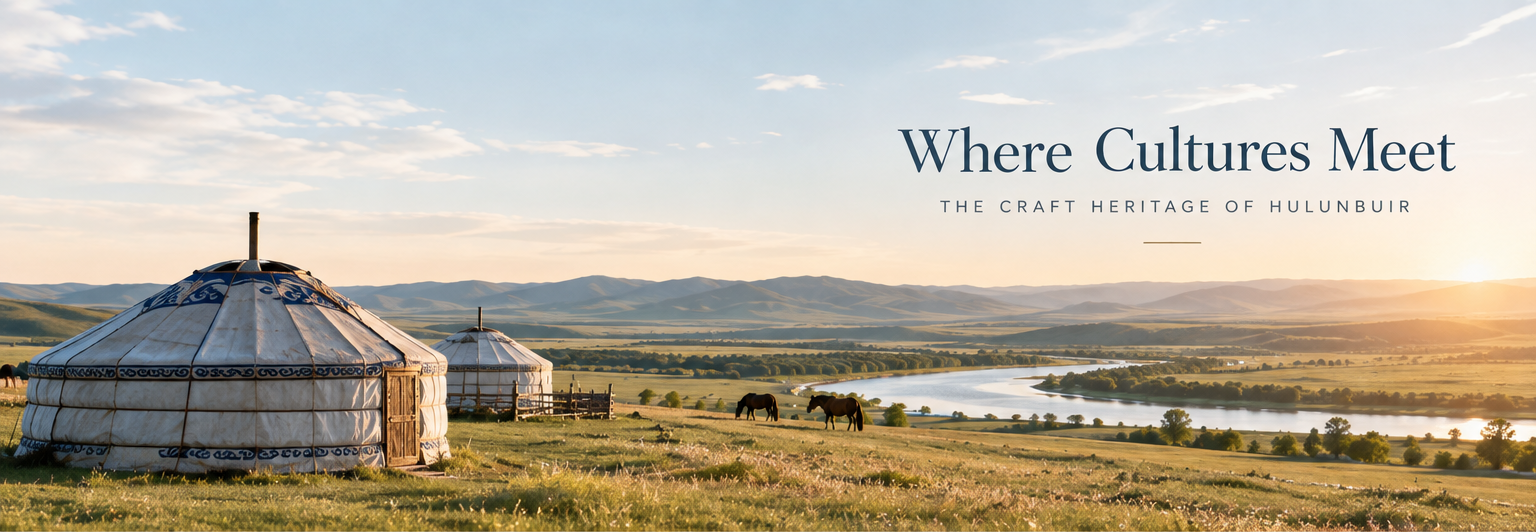
At the northern edge of China lies a place defined by space.
Hulunbuir is known for its vast grasslands, forests, rivers and changing seasons. But its character comes not only from the landscape.
It also comes from the many communities, traditions and cultural influences that have shaped life in the region.
For MINYI CRAFT, this diversity is an important part of the story behind our collections.
A Land of Many Influences
Hulunbuir is home to diverse communities and cultural traditions.
Among the region’s cultural influences are Ewenki traditions, Mongolian cultural motifs and Russian-influenced elements that can be seen in parts of local architecture, decorative arts and everyday objects.
These influences do not exist in isolation.
Over time, they have interacted, evolved and become part of the distinctive character of the region.
This is one reason why handmade objects from Hulunbuir can have such varied visual identities.
Nature as Inspiration
The landscape itself is another important source of inspiration.
Grasslands create a sense of openness.
Forests bring textures and natural materials.
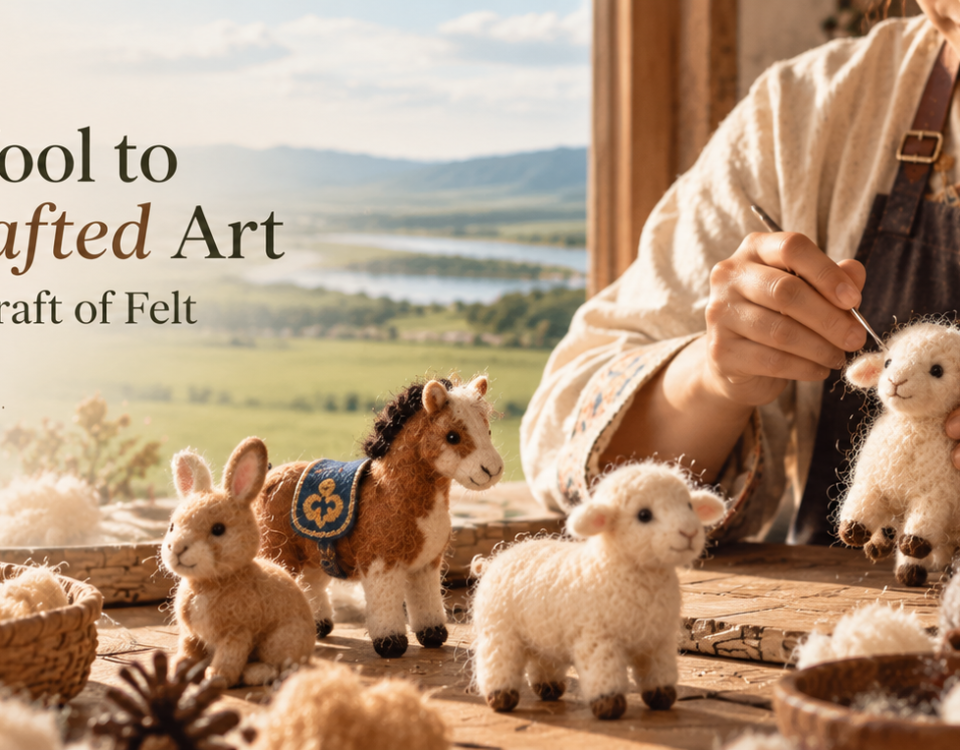
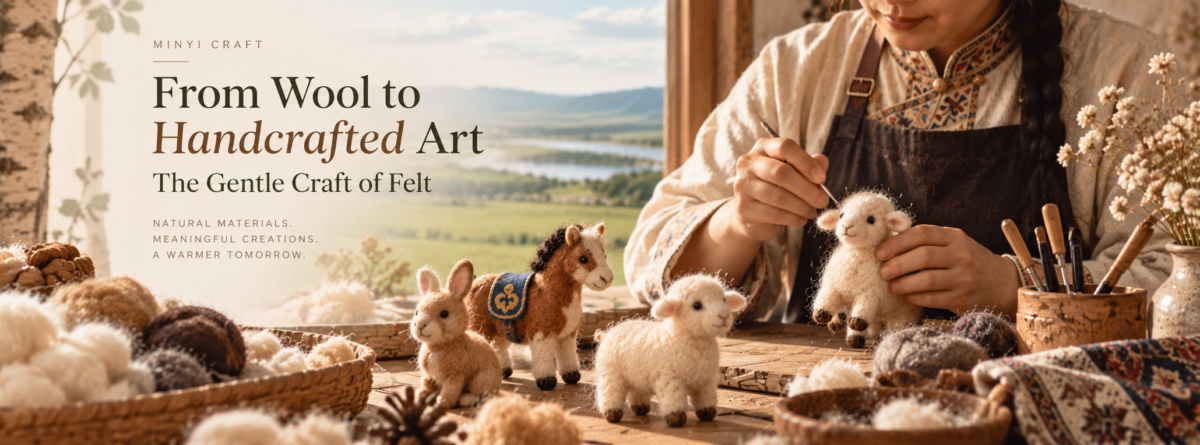
Animals such as horses and sheep appear naturally within the visual culture of the region.
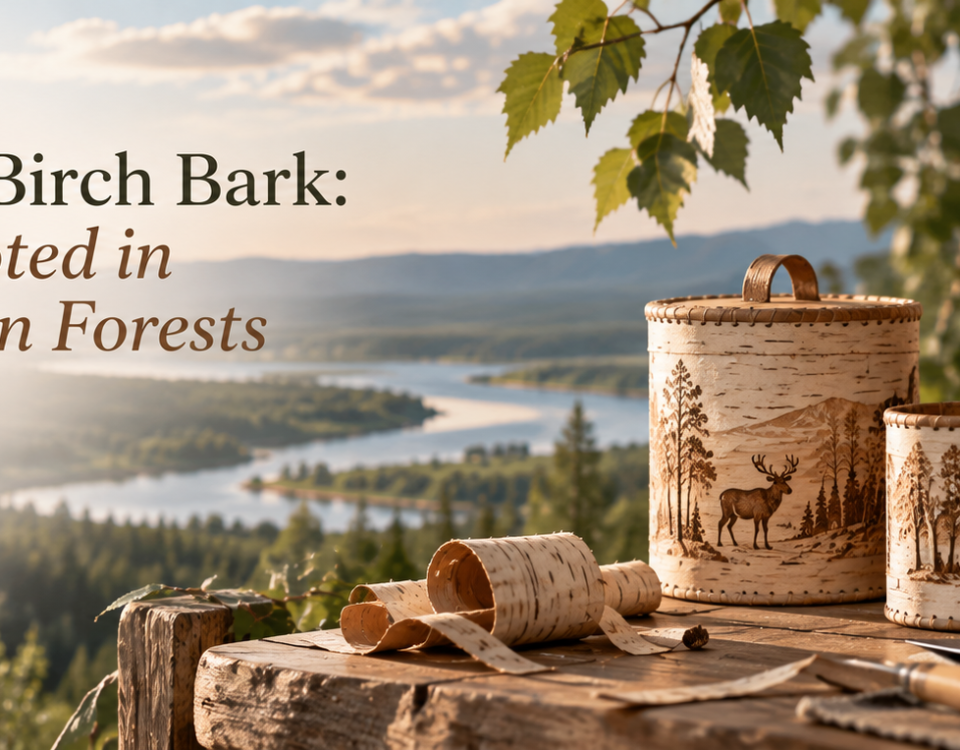
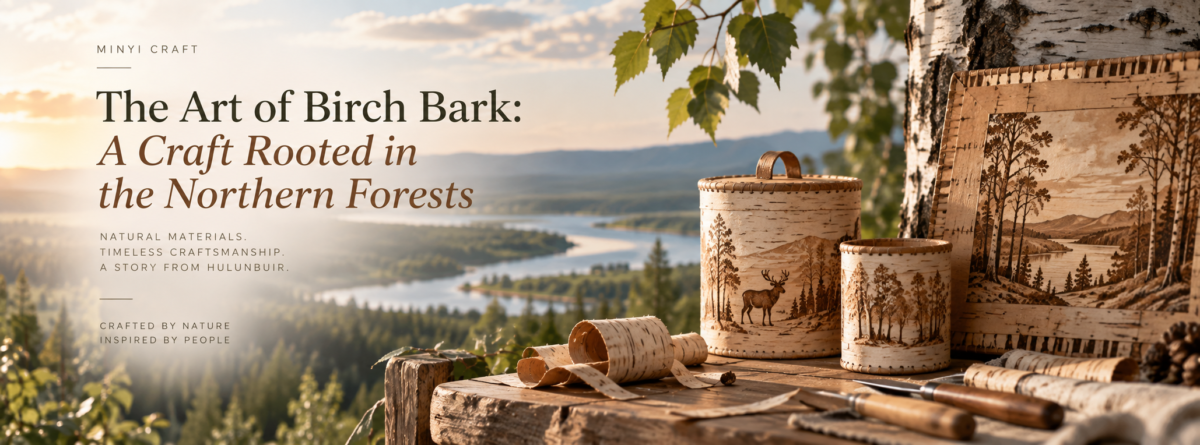
Natural materials such as wood, wool, birch bark and stone also connect handmade objects directly to the environment.
For many craftspeople, the surrounding landscape is not simply a background.
It becomes part of the creative vocabulary.
The Horse and the Grassland
Few images are more closely associated with northern grassland cultures than the horse.
The horse has played an important role in the history and daily life of communities across the grasslands.
Its image appears in decorative arts, ornaments and cultural objects, often representing ideas such as movement, freedom and connection with the open landscape.
At MINYI CRAFT, horse-inspired pieces are part of the wider cultural story represented in our collections.
They remind us that a decorative object can also carry a visual connection to a place and its history.
From Traditional Inspiration to Contemporary Objects
Cultural craftsmanship does not have to remain inside museums.
Today, traditional materials, motifs and techniques can become part of contemporary homes and lifestyles.
A handmade ornament can sit on a modern shelf.
A small piece of traditional-inspired artwork can become part of an interior.
A handcrafted jewelry piece can connect an everyday outfit with a distant landscape.
This creates an interesting relationship between past and present.
The goal is not simply to reproduce history, but to allow elements of cultural creativity to continue being appreciated in new contexts.
Our Approach at MINYI CRAFT
We do not see Hulunbuir’s craft culture as belonging to a single style.
Instead, we see it as a meeting point of land, people and cultural influences.
Our collections bring together different types of handmade objects — from natural-material crafts and wool felt pieces to beadwork, decorative metalwork, cloisonné-inspired ornaments and Russian-influenced Matryoshka designs.
Each category has its own story.
Together, they create a broader picture of the place we call home.
From Hulunbuir to the World
A handmade object can travel much farther than its place of origin.
A small ornament made in northern China may eventually find its way into a home thousands of miles away.
When that happens, it carries more than its physical form.
It carries a little of the landscape, the materials, the craftsmanship and the cultural influences that inspired it.
That is the idea behind MINYI CRAFT:
A piece of Hulunbuir, a story for the world.